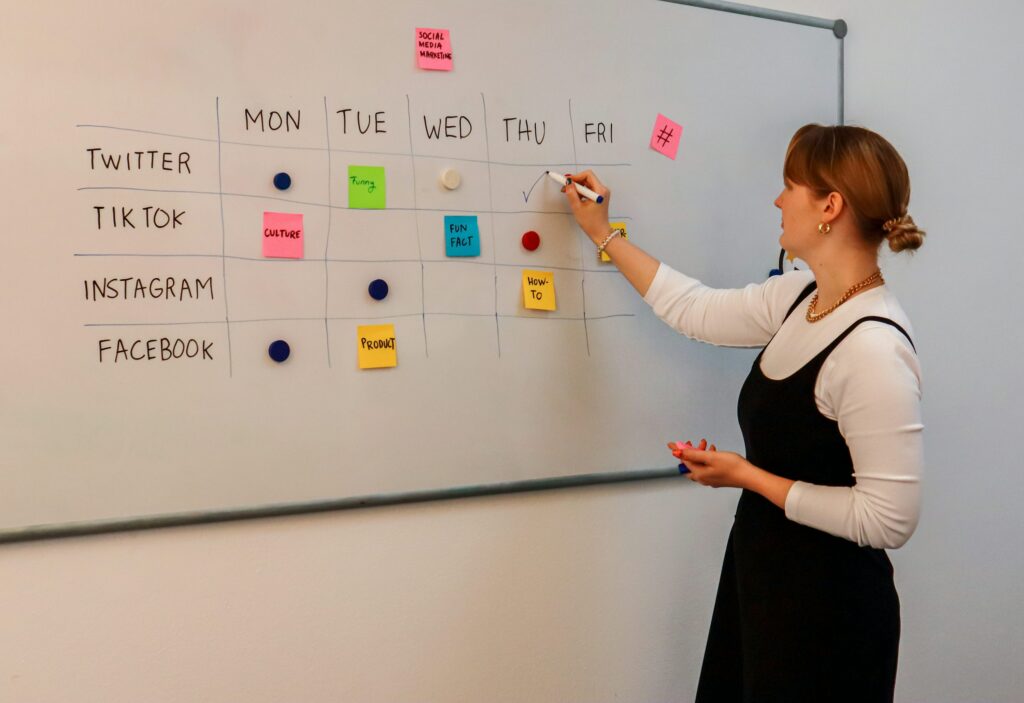
Are We Automating the Human Element Out of Social Media?

Artificial intelligence is increasingly capable of managing social media marketing. It can suggest what to post, write captions, analyze performance, and even draft responses to customer comments. For businesses struggling to keep up with their social media presence, the appeal is obvious. Why spend hours planning content and managing engagement when technology can handle much of the work?
But as social media platforms introduce more sophisticated AI tools, businesses should ask an important question: Just because something can be automated, does that mean it should be?
The answer depends on what you’re automating and how much human oversight remains involved.
Meta’s Latest AI Updates Bring Automation Closer to the Customer
In November 2026, Meta expanded its AI-powered Creator Assistant, introducing features designed to help creators plan content and engage with their audiences more efficiently. The updated tool can proactively identify relevant trends, develop storyboards and shot lists from content ideas, and provide feedback on drafts before publication. Perhaps most notably, it can identify comments that need attention and generate suggested responses in the creator’s voice.
Meta’s tool still allows creators to review and edit those replies before posting, which is an important distinction. However, the update illustrates how quickly AI is moving beyond behind-the-scenes assistance and into activities that directly shape customer relationships.
Meta isn’t alone in expanding its AI capabilities. TikTok has also been introducing new generative AI tools and automation features, including options to streamline creative production and advertising workflows. Together, these developments illustrate how quickly AI is becoming integrated into everyday social media marketing.
For marketers, this creates both opportunities and potential challenges. A business could theoretically use AI to identify trending topics, develop content around those trends, generate captions, and draft responses to the resulting engagement.
That sounds efficient. But who’s deciding whether the content is actually relevant to the business? Who recognizes when a comment requires a thoughtful response rather than a generic acknowledgment? Those decisions still matter.
More Content Doesn’t Necessarily Mean Better Marketing
One of AI’s biggest selling points is speed. A task that once took an hour can sometimes be completed in minutes. For businesses that struggle to maintain a consistent social media presence, this can be genuinely helpful. AI can streamline content planning and help marketers move from initial ideas to finished drafts more efficiently.
The problem arises when efficiency becomes the primary measure of success. Nobody cares how often your brand posts on social media, and publishing more frequently doesn’t automatically lead to stronger engagement or better business results. Ten generic posts are unlikely to outperform three thoughtful ones simply because there’s more content.
Consider a hotel using AI to generate social media captions. Without meaningful direction, the tool might repeatedly produce variations of the same message about beautiful accommodations, exceptional service, and unforgettable experiences.
The captions might be grammatically correct and appropriately enthusiastic. They might also sound almost identical to content published by hundreds of competing properties. A marketer who understands the hotel can identify what truly sets it apart. Perhaps there’s an interesting history behind the building, a staff member with a compelling story, or a neighborhood experience that guests consistently rave about.
AI can help communicate those details, but someone needs to recognize their value first.
The goal shouldn’t be to produce as much content as possible. It should be to produce content worth someone’s attention.
AI Can Learn Your Brand Voice. That Doesn’t Mean It Understands Your Brand.
Today’s AI tools are increasingly effective at adapting to a company’s established tone and writing style. Provide examples of previous content, brand guidelines, and specific instructions, and the results can be surprisingly accurate.
But mimicking a brand’s voice and exercising good judgment on its behalf are different capabilities. An experienced marketer understands the context behind a company’s communications. They understand what resonates with the audience and recognize when a seemingly harmless message could create problems.
They also recognize when something simply doesn’t sound right, even if it technically follows the brand guidelines. For example, an AI tool might recommend capitalizing on a trending topic because it’s generating significant engagement. A human marketer might recognize that the trend is irrelevant to the company’s audience or that participating could appear opportunistic.
Similarly, a restaurant promoting a special event might need to adjust its messaging because of unexpected circumstances affecting the local community. These situations require context that extends beyond the information in a prompt.
AI-generated content can provide a strong starting point, but it still benefits from someone who knows the business and can evaluate whether the message makes sense.
Community Management is Where the Human Element Matters Most
Of all the social media responsibilities becoming easier to automate, community management deserves particularly careful consideration. There’s a significant difference between generating a caption and responding directly to someone who has taken the time to engage with a business.
Some interactions are straightforward. If someone asks about operating hours, parking availability, or a reservation link, an automated response may be appropriate. Other situations require more sensitivity.
Imagine a hotel guest commenting publicly about a disappointing experience. An AI-generated response might apologize for the inconvenience and invite the guest to contact management. That could be a reasonable starting point. But what if the complaint involves a serious service failure? What if the customer has already tried contacting the property multiple times? What if the situation is attracting attention from other guests?
A generic response could make the problem worse. The same principle applies to positive engagement. When a longtime customer shares a personal story about a business, an automated thank-you might technically acknowledge the comment. A thoughtful response from someone familiar with that relationship can do much more.
Need a Fresh Marketing Perspective?
Ready to attract more of the right customers, improve your marketing performance, or simply need an experienced partner to guide your next steps? We'd love to help.
Social media engagement is an opportunity to build relationships.
AI-powered tools can flag comments that warrant attention and suggest responses for a marketer to review, but businesses should be cautious about letting automation replace the judgment and personal attention meaningful community management requires.
As AI Content Becomes More Common, Originality Becomes More Valuable
Another consequence of making content creation easier is that more businesses have access to similar capabilities. AI tools often draw from comparable patterns and conventions when generating marketing content. Without specific direction, the results can feel predictable.
We’ve all encountered social posts filled with familiar phrases, excessive enthusiasm, and polished language that somehow says very little. As these tools become more widespread, businesses risk blending together if they rely too heavily on automated output.
This creates an opportunity for brands willing to invest in original content. A behind-the-scenes video featuring actual employees or an informed perspective on an industry development offers something generic AI-generated content cannot easily replicate.
These examples are grounded in real experiences and expertise. That doesn’t mean AI has no role in developing them. It can help organize an interview, edit a transcript, suggest ways to repurpose a video, or refine the accompanying copy.
The distinction is where the substance originates. Businesses have stories, expertise, and perspectives that their competitors don’t. Those are the assets worth bringing into their marketing.
Where AI Actually Makes Sense in Social Media Marketing
None of this means businesses should avoid using AI. Used thoughtfully, AI can make marketing teams more productive and free up time for work that requires human expertise. Some of its most valuable applications happen behind the scenes.
Research and ideation: Marketers can use AI to explore potential topics and organize research more efficiently. The information still needs verification, and ideas should be evaluated against the company’s objectives.
Content development: AI offers a useful starting point for drafting copy and adapting existing material for different platforms. Human review ensures the final content is accurate and reflects the brand’s voice.
Performance analysis: AI-powered analytics can identify patterns in performance data and highlight trends worth investigating. Experienced marketers can then interpret those findings in the context of broader business goals.
Workflow support: Automation can streamline repetitive administrative tasks, such as organizing content calendars and preparing creative briefs. This creates more time for work that requires human expertise.
The common thread is that AI supports the process while people remain responsible for the decisions.
Businesses should also set clear guidelines for how AI is used, especially when tools access customer information or communicate directly with audiences. Not every task requires the same level of oversight, but every business should understand what its technology is doing on its behalf.
The Real Risk Isn’t Using AI. It’s Removing the Human From the Process.
As AI capabilities expand, it’s tempting to see marketing automation as a way to reduce human involvement. However, there’s a difference between reducing repetitive work and eliminating the expertise that makes marketing effective.
A tool can analyze which posts received the most engagement. A marketer can determine whether that engagement contributed to meaningful business outcomes. AI can recommend a trending topic. A person can decide whether participating supports the brand’s positioning. Technology can generate a response to a customer complaint. An experienced professional can recognize when the situation deserves a phone call instead.
These distinctions become increasingly important as businesses rely on AI for more of their day-to-day communications. The strongest marketing teams will likely use AI to improve their capabilities while maintaining clear accountability for the work they produce.
That requires an investment in people who understand both the technology and the fundamentals of effective marketing.
AI-Assisted Marketing Still Needs Human Leadership
AI will continue to reshape social media marketing, and many of these developments are worth embracing. Businesses can save time and gain useful insights by incorporating the right tools into their workflows. But efficiency should serve a larger purpose.
Effective social media marketing still depends on understanding audiences and building meaningful relationships with them.
As AI becomes more capable of handling the mechanics of marketing, human judgment becomes even more valuable.
The businesses that benefit most will recognize where AI adds value and where human expertise remains essential.
At Social Hospitality, we help businesses navigate evolving digital marketing tools while keeping strategy, creativity, and meaningful audience engagement at the center of their efforts. If you’re looking to use AI better without losing the human element of your marketing, let’s connect.
Let's Talk Strategy
Every business has unique marketing challenges. We'll help you identify opportunities, refine your messaging, and build a plan designed around your goals.
Let's Connect