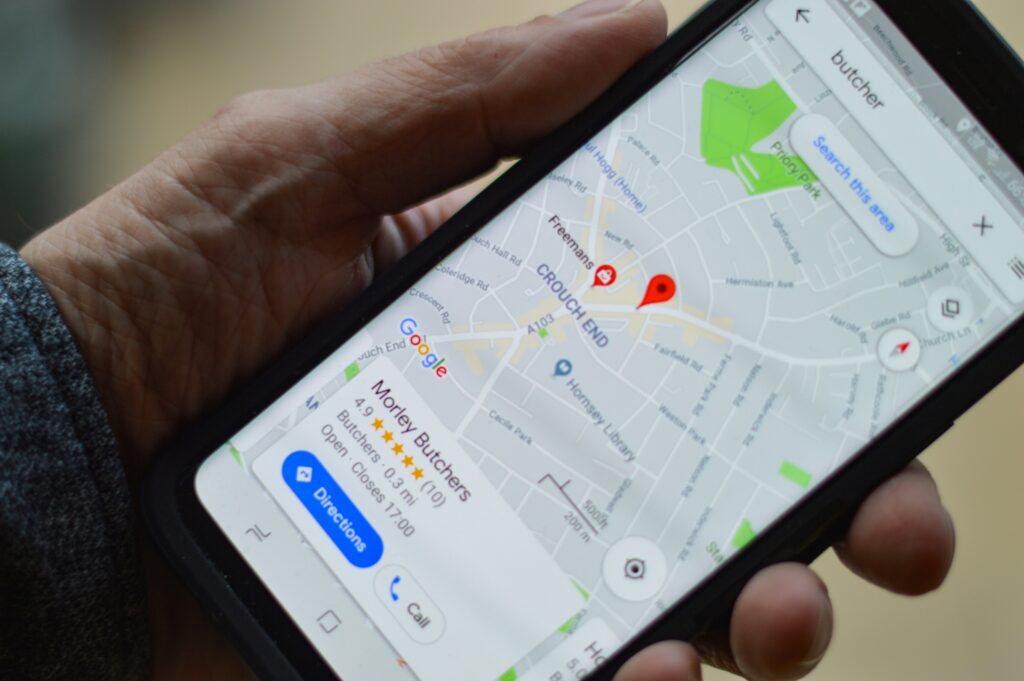
Why Your Social Media Search Strategy Matters More Than Ever
Social media has been part of the search and discovery process for years. People have long turned to YouTube for how-to content, Instagram for inspiration, and social platforms for recommendations. Google has also surfaced social content in search results for plenty of time.
What’s changing is how significant that role has become. People are increasingly searching directly on social platforms. Social content is gaining visibility across traditional and AI-powered search. And the path someone takes to find a business may bounce between several of these places before they ever visit its website.
Recent data makes that shift especially clear. A new Social Search and AI Visibility Report from Emplifi and Semrush found that nearly four in ten consumers rank social media among their top three sources for product discovery.
For marketers, the takeaway is that social media’s role in search and discovery is becoming much harder to ignore.
People Don’t Discover Brands in a Straight Line
Think about how you might choose a restaurant for an upcoming trip. You could search Google for restaurants near your hotel. Then you might open Instagram to see what a few of them actually look like. You could search TikTok for recommendations from people who recently visited. Maybe you check Reddit for less polished opinions. Then you ask ChatGPT to narrow your options based on what you’ve found.
Which channel deserves credit for the discovery? Probably all of them.
The Emplifi and Semrush research illustrates this increasingly fragmented journey. When consumers begin researching a specific product online, 33% start with a search engine. Another 15% start on social media, 15% go directly to a brand website, 11% start with an AI tool, and 7% begin on Reddit or another online forum.
Meanwhile, 66% of surveyed consumers said they have used AI tools to research products or find gift ideas. More than one in four intentionally add “Reddit” to product searches to find customer opinions.
These behaviors overlap. Someone can discover you on Instagram, validate the decision on Reddit, search your name on Google, and ask an AI tool about you within the span of 15 minutes.
Your marketing strategy should account for that.
Social Platforms Are Search Engines Too
The search bar inside a social network used to feel secondary to the feed. That’s no longer necessarily the case.
People search social platforms because they often want something different from what a traditional Google result provides. They may want a demonstration, firsthand opinion, visual inspiration, or a recent perspective from someone who has actually experienced the product or service.
That changes how brands should think about social content. A caption doesn’t only have to appeal to someone scrolling past it. It can also help a future customer find the post when they’re actively looking for an answer.
That means using clear language about what the content is actually about. A hotel posting a video of its rooftop shouldn’t assume the visuals speak for themselves. The property name, location, relevant experience, and terminology people might search can provide useful context.
The same principle applies to LinkedIn thought leadership, YouTube videos, Instagram Reels, TikToks, and other public social content. Don’t awkwardly stuff keywords into every caption. Do make it easy for platforms and people to understand what your content is about.
Google Is Paying Attention to Social Content Too
One of the clearest signs of this convergence actually comes from Google. In July, Google introduced a new type of Search Console property specifically for social and video platforms. Businesses and creators can now see how content from Instagram, TikTok, X, and YouTube performs across Google Search and Discover, including which search queries are leading people to that content. Google expanded the feature globally later that month.
Think about what that means. Google is giving marketers search-performance data for content they didn’t publish on their own websites.
Your Instagram post isn’t necessarily confined to Instagram anymore. Your YouTube video isn’t only competing for attention within YouTube. Public content can become another entry point into your brand from traditional search.
That makes the old divide between “SEO content” and “social content” increasingly artificial. Tie your data to future marketing strategy to keep things moving forward.
Need a Fresh Marketing Perspective?
Ready to attract more of the right customers, improve your marketing performance, or simply need an experienced partner to guide your next steps? We'd love to help.
Social Content Can Influence AI Visibility Too
Then there’s another layer: AI search.
A recent SE Ranking study analyzed 100,000 keywords to examine which sources appeared in Google and AI-generated search results. According to Social Media Today‘s reporting, links to social platforms appeared in 67.66% of the Google AI Overviews analyzed and 32.39% of Google AI Mode responses. Social links also appeared in 8.4% of the ChatGPT answers included in the study.
That doesn’t mean posting more often will magically make ChatGPT recommend your company. It reinforces a broader principle: your brand’s digital footprint now extends well beyond your website.
Social posts, videos, reviews, community conversations, third-party mentions, and website content can collectively help establish what your brand is associated with. That’s especially important as people increasingly ask AI tools questions they once typed into Google.
Instead of searching “best boutique hotels in Raleigh,” someone might ask an AI assistant to recommend a boutique hotel within walking distance of a particular venue. Instead of searching “Orange County social media consultant,” a business owner might ask for marketing consultants in Orange County who specialize in social media and have hospitality experience.
The specificity of those queries makes context increasingly valuable.
What Should Businesses Actually Do Differently?
This doesn’t require throwing out your current SEO or social strategy. It requires connecting them.
Start by looking at the questions your customers actually ask. Those questions can inform website content, blog posts, social posts, videos, FAQs, and other content rather than being addressed in only one place. Pay attention to the language people use, too. Search queries aren’t always polished marketing language. Neither are Reddit threads, social comments, or AI prompts.
Then make your social content understandable outside the context of your feed.
- If someone found one Instagram Reel through Google six months after you posted it, would they understand who you are and what you’re talking about?
- If an AI system encountered your LinkedIn posts alongside your website, would both tell a consistent story about what your business does and knows?
- And if someone searched your category directly within a social platform, would you have content that genuinely answers what they’re looking for?
Those questions are becoming more useful than asking how many times per week you should post.
This Doesn’t Mean Every Business Needs Every Platform
There’s an easy way to overreact to all of this: decide your business suddenly needs an active presence everywhere. It doesn’t.
A B2B consulting firm probably doesn’t need to launch a TikTok account because TikTok functions as a search engine. A restaurant doesn’t necessarily need a Reddit strategy. A local service business may get considerably more value from Google, Instagram, and a strong website than from spreading its resources across six platforms.
The goal is to understand where your audience discovers, researches, and validates businesses like yours. Then make those channels work together.
This is also why marketing teams should be careful about evaluating channels entirely in isolation. A social post may introduce someone to your brand without producing an immediate website click. That person might search your company three days later and convert through organic search.
The analytics report may credit Google. The customer journey tells a different story.
Search Strategy Is Becoming Discovery Strategy
SEO still matters. Social media still matters. Your website still matters. What’s changing is the space between them.
People move across platforms much more fluidly than most marketing plans acknowledge. AI adds another layer by helping users synthesize information gathered from many of those sources.
The businesses that adapt won’t necessarily be the ones producing the most content. They’ll be the ones creating useful, relevant content that can be discovered in more than one place and making sure the story people find about their brand stays consistent across those places.
Search strategy isn’t only about ranking on Google anymore. It’s about being findable wherever your customers decide to look.
Let's Talk Strategy
Every business has unique marketing challenges. We'll help you identify opportunities, refine your messaging, and build a plan designed around your goals.
Let's Connect