


How Event Staff Impact Brand Experience and Guest Satisfaction
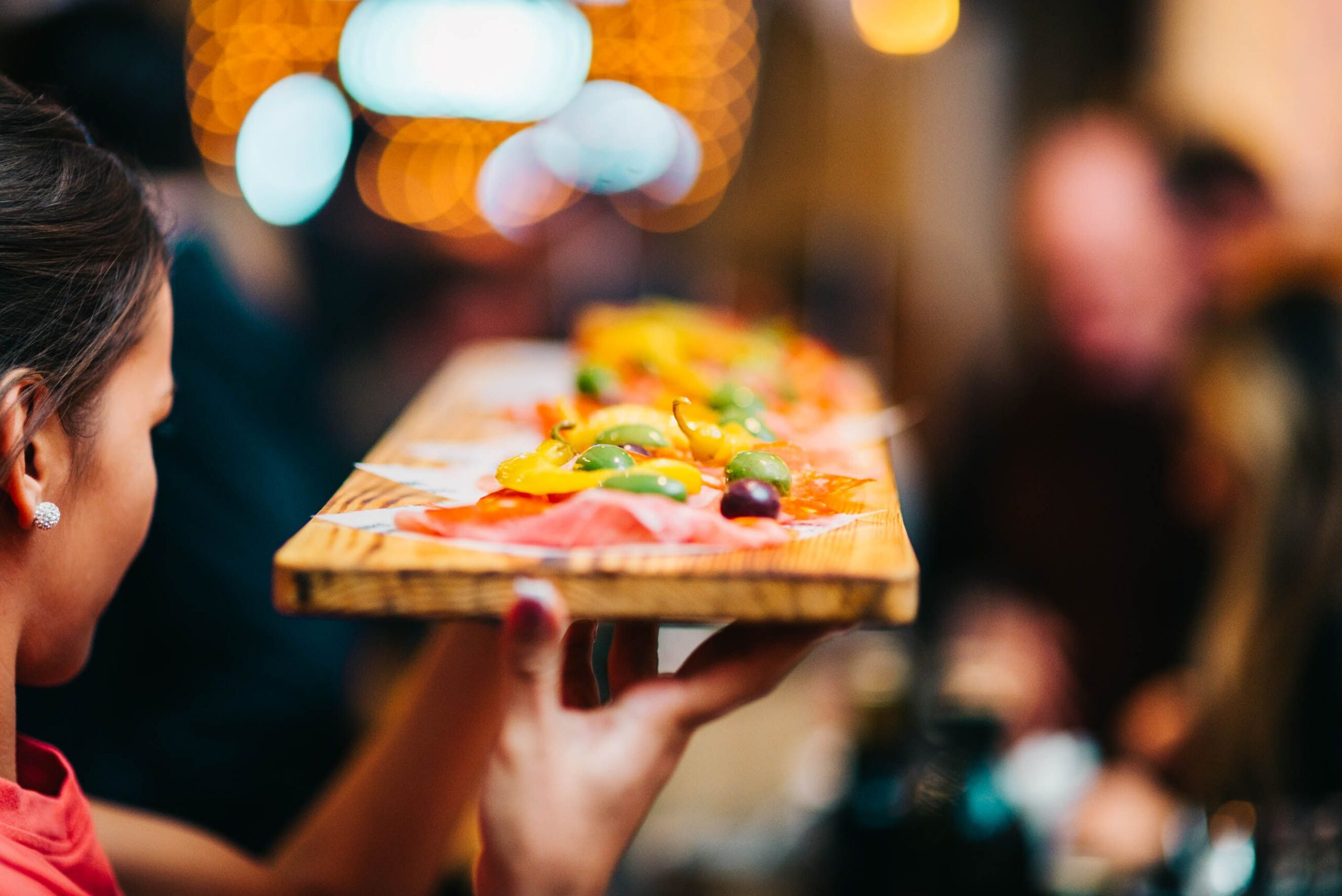
Catering companies and event teams work hard to build their brands. They invest in menu development, food photography, polished websites, and social media content that shows off every tablescape. Then the event happens, and much of what guests actually experience comes down to the people working it.
Guests don’t separate the two. The person who refills the water glasses, answers a question about allergens, or calmly handles a late-arriving VIP represents the brand for those four hours.
If you want events to lead to positive reviews, referrals, and repeat bookings, the people working the floor deserve the same attention you give the menu.
What Guests Remember Shows Up in Your Reviews
Spend twenty minutes reading reviews of catering companies and event venues on Google, The Knot, or Yelp, and a pattern emerges. Staff comes up frequently, sometimes by name.
Positive reviews praise teams that were attentive without hovering or single out a captain who handled a problem so the hosts could enjoy their own party. Negative reviews often describe service issues: servers who couldn’t explain what was in a dish, a bar line that never moved, or staff who seemed unsure who was in charge.
Corporate planners judge events on similar terms. Their main question afterward is often whether the event ran smoothly without requiring constant intervention. A planner who spent the evening tracking down a missing bartender is unlikely to rebook based on great food alone.
Staffing therefore belongs in the marketing conversation. Every event contributes to the reputation your other marketing efforts are trying to build. Those experiences also become part of your online reputation when clients turn guest experiences and reviews into public-facing marketing content.
Consistency Is What Repeat Clients Notice
Most catering and event companies rely on a flexible pool of part-time servers, bartenders, and captains. That model helps the industry handle seasonal peaks and busy weekends, but it also means the crew may change significantly from one event to the next.
Repeat clients notice familiar faces. When the captain who ran last year’s holiday party returns this year, the client already knows what to expect. That continuity can help build the trust that leads to repeat business.
A few practices can help create more consistency.
Build a core crew for key accounts and venues. Identify your highest-value repeat clients and try to staff their events with the same captain or a few familiar team members. Apply similar thinking to venues you work with frequently. Experienced staff already know the property, procedures, and people involved, reducing friction on event day.
Track venue requirements and credentials. Some venues require orientations, background checks, approved vendor status, or specific certifications. Alcohol service may add additional requirements, such as California’s RBS certification. Keeping this information organized helps prevent last-minute staffing problems.
Keep client and venue preferences documented. If a worker shouldn’t return to a particular account or venue, that information needs to be accessible to whoever builds the schedule.
Track performance after events. Short notes about who worked an event and how it went make future staffing decisions easier. Knowing who performs well under pressure, works particularly well with guests, or already understands a venue can help managers assemble stronger teams.
Match people to the event. A wine dinner may call for staff who can comfortably discuss pairings, while a large festival requires people who work well in a fast-paced environment. Consider the event’s needs before simply filling open shifts.
As the staff pool and event calendar grow, these details become harder to manage manually. Scheduling software can help track preferred workers, venue requirements, credentials, and availability so important information doesn’t live solely in one manager’s head.
How to Brief Casual Staff So They Represent the Brand
Casual staff can’t represent a brand they’ve never been told about.
A properly briefed server understands the menu, knows the hosts, and has enough context to interact confidently with guests. The brief doesn’t need to be long, but staff should receive it early enough to review the information before arriving on-site.
Need a Fresh Marketing Perspective?
Ready to attract more of the right customers, improve your marketing performance, or simply need an experienced partner to guide your next steps? We'd love to help.
| Brief element | What to include | Why it matters |
|---|---|---|
| Logistics | Arrival time, address, staff entrance, parking, dress code, and on-site contact | Staff arrive prepared and know where they need to be |
| The venue | House rules, restricted areas, and venue-specific expectations | Familiarity reduces confusion and helps maintain strong venue relationships |
| The occasion | A short explanation of the client and significance of the event | Context helps staff understand the tone and expectations |
| Menu knowledge | Dish descriptions, allergens, and noteworthy details | Staff can confidently answer common guest questions |
| Service standards | How to greet guests, handle complaints, and communicate | Brand voice becomes behavior |
| Escalation | Who handles problems and when staff should involve them | Issues can be resolved quickly and discreetly |
The menu deserves particular attention. If a dish has a story, such as a family recipe, local farm partnership, or signature item the company is known for, give staff a sentence they can share with guests.
A restaurant’s history can become a valuable marketing asset, and the same principle applies to caterers. Your team is often best positioned to bring those stories to life in person. A brief pre-service huddle can reinforce key details, identify VIPs, and give staff a chance to ask questions. A short debrief afterward can capture useful information for the next event.
Turn Well-Run Events Into Marketing Material
A successful event can provide some of the best marketing material a hospitality company has. A few simple habits can extend the value of the work your team is already doing.
Capture content during the event. With the client’s permission, take photos and short videos of setup, plating, and the team in action. Behind-the-scenes content gives prospective clients a clearer picture of what goes into an event. Hospitality brands can also involve employees in creating authentic social media content that shows the people behind the experience.
Ask for reviews while the event is fresh. Send a short thank-you within a day or two and include a direct review link. Asking whether anyone on the team stood out may prompt clients to mention employees by name, making the resulting feedback more specific.
Feature your team. Staff spotlights, captain profiles, and behind-the-scenes social content introduce prospective clients to the people delivering the experience. Highlighting employees can also support recruiting and reinforce company culture.
Turn larger events into case studies. With the client’s permission, document the event brief, relevant challenges, and outcome. These examples give future clients something concrete to reference during the sales process.
Share praise internally. When a client or review mentions someone by name, pass it along. Recognition can reinforce the behaviors that created the positive experience in the first place.
The Operations Behind the Brand Experience
All of this depends on getting the fundamentals right: putting the right people on the right events, giving them the information they need, and making sure expectations are clear.
For a small team, spreadsheets and group texts may be enough. As event volume grows, those systems become harder to maintain. The details most likely to slip are often the same ones that affect the client experience, such as matching experienced staff with important accounts or distributing event briefs early enough.
One Los Angeles catering company with roughly 200 part-time staff experienced this problem firsthand. Its staffing manager was scheduling around 15 parties each week through a combination of handwritten notes, spreadsheets, texts, and phone calls. On especially busy days, lateness and no-shows created significant staffing problems.
The company introduced a more structured confirmation process that required workers to confirm shifts in advance, giving managers time to arrange backups when needed. It also began documenting attendance and reliability so stronger performers could be prioritized for future events.
According to the company’s staffing technology provider, Roosted, the late or no-show rate fell from roughly 50% to under 5% within 60 days, while the manager’s scheduling workload dropped to fewer than 10 hours per week.
Roosted is one example of a scheduling platform designed for on-demand event staff. Similar tools can help teams match workers to shifts based on factors such as skills and availability, maintain client or venue restrictions, and distribute shift details automatically.
Whatever system you use, the goal is the same: spend less time chasing confirmations and more time on the briefing, coaching, and client relationships guests actually notice.
Your Staff Matter as Much as Your Menu
Most of what guests experience at a catered event comes down to the people working it. It’s the server who knows the story behind a dish, the bartender who keeps a busy line moving, or the captain who solves a problem before the client has to ask.
Marketing may bring someone to your website or help win the initial inquiry. The event itself determines what they say afterward.
When teams receive clear information and understand the experience they’re expected to deliver, staffing becomes part of brand building. Those interactions can ultimately lead to stronger reviews, more referrals, and clients who want to work with you again.
Let's Talk Strategy
Every business has unique marketing challenges. We'll help you identify opportunities, refine your messaging, and build a plan designed around your goals.
Let's Connect
