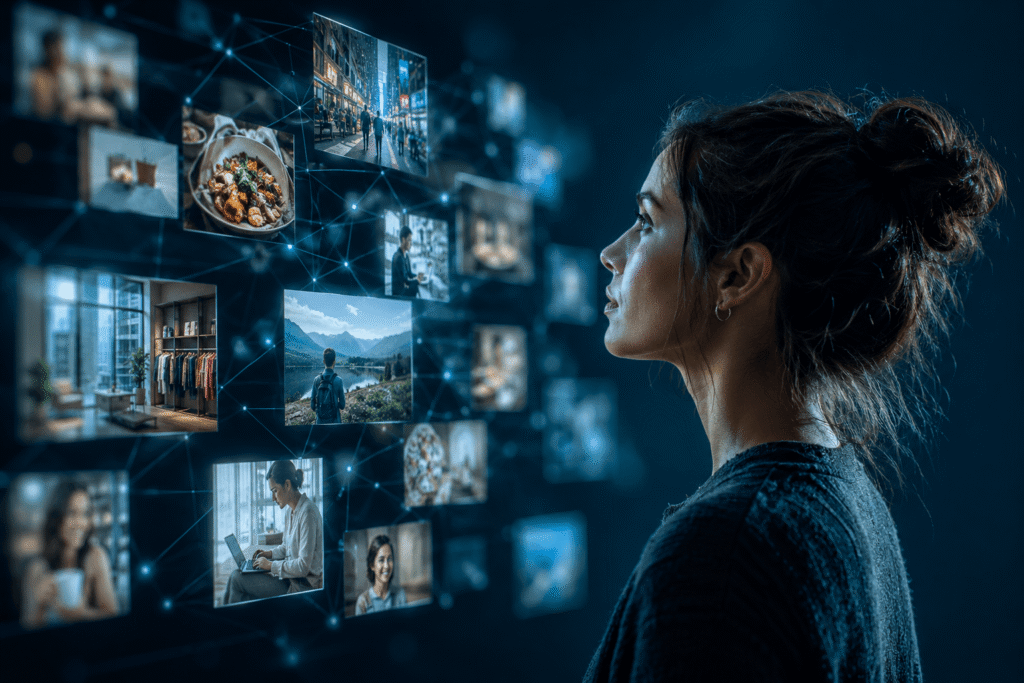
How to Leverage AI for Smarter Social Media Strategies

Social media has become a battleground for brand relevance. With billions of users scrolling, sharing, and engaging daily, standing out requires more than catchy captions or trendy visuals. It demands precision, adaptability, and a deep understanding of audience behavior.
AI is reshaping how brands craft social media strategies. By harnessing AI-driven data insights, businesses are optimizing engagement and fostering lasting brand trust. Here’s how.
The Power of AI in Decoding Audience Behavior
Consumers gravitate toward brands that “get” them—anticipating their needs, aligning with their values, and speaking their language. AI can analyze vast datasets to uncover hidden patterns in audience behavior.
Tools like sentiment analysis, trend prediction algorithms, and demographic segmentation allow brands to:
- Identify emerging trends in real-time, from viral hashtags to shifting consumer preferences.
- Personalize content at scale, tailoring messages to micro-audiences based on location, interests, or past interactions.
- Predict engagement outcomes, optimizing post timing, formats, and channels for maximum impact.
For example, Netflix uses AI to analyze viewing habits and social conversations, creating hyper-targeted campaigns that resonate with niche audiences. This level of personalization signals to users that a brand is attentive and invested in their unique preferences.
From Reactive to Proactive: AI-Driven Crisis Management
Trust is fragile. A single misstep—a tone-deaf post, a delayed response to criticism, or a PR mishap—can erode credibility overnight.
AI empowers brands to shift from reactive damage control to proactive reputation management. Natural language processing (NLP) tools monitor social conversations 24/7, flagging potential crises like spikes in negative sentiment or trending complaints.
Take the food delivery app DoorDash, which uses AI to track customer feedback across platforms. By addressing service issues in real time and publicly demonstrating responsiveness, the brand turns potential crises into opportunities to showcase accountability—a critical trust-building move.
Building Authenticity Through Predictive Analytics
Audiences crave consistency. AI’s predictive capabilities help brands maintain a steady drumbeat of authentic engagement. Machine learning models analyze historical data to forecast which types of content (e.g., videos, polls, user-generated content) will drive meaningful interactions. Over time, this reduces guesswork and ensures messaging aligns with audience expectations.
Starbucks, for instance, employs AI to predict seasonal demand and customize social campaigns to regional trends—like advertising iced beverages in hotter areas.
Utilizing AI to enhance decision-making guarantees that marketing strategies are in sync with inventory and regional preferences, minimizing waste while increasing relevance. By anticipating what customers want before they ask, brands showcase a deep understanding of their audience, boosting authenticity and trust.
Need a Fresh Marketing Perspective?
Ready to attract more of the right customers, improve your marketing performance, or simply need an experienced partner to guide your next steps? We'd love to help.
AI-Powered Chatbots for Community Engagement
AI-driven chatbots are changing how brands interact with their audiences on social media. Powered by advanced NLP, these chatbots provide real-time customer support, answer queries, and enhance overall engagement.
Brands leveraging AI-driven chatbots can:
- Deliver real-time customer support, ensuring faster responses and a seamless user experience.
- Engage audiences in real-time, offering personalized recommendations and interactive experiences.
- Automate routine inquiries, freeing up human agents to focus on complex issues.
For instance, Sephora uses AI-powered chatbots to offer personalized beauty recommendations and tutorials, enhancing customer experience. By integrating chatbots seamlessly into their social media strategy, brands can create meaningful interactions that build trust and loyalty.
Enhancing Influencer Marketing with AI
Influencer marketing has become a powerhouse in social media strategies. AI is revolutionizing this space by:
- Identifying the right influencers through engagement metrics instead of just follower count.
- Analyzing audience sentiment to ensure brand alignment with influencer messaging.
- Tracking campaign performance beyond vanity metrics like likes and shares, focusing on real conversions.
Brands like Nike utilize AI-driven insights to optimize influencer partnerships, ensuring that endorsements translate into measurable brand trust.
Ethical AI: Transparency as a Trust Accelerator
While AI offers immense potential, its misuse risks alienating audiences. Brands must prioritize ethical AI practices:
- Data privacy: Clearly communicate how customer data is collected and anonymized.
- Bias mitigation: Audit algorithms to prevent reinforcing harmful stereotypes.
- Human oversight: Use AI as a tool to augment, not replace, human creativity and empathy.
Patagonia’s social strategy exemplifies this balance. The brand combines AI-driven analytics with human-curated storytelling to highlight sustainability efforts, ensuring campaigns feel both data-informed and authentically mission-driven.
The Future of Trust is Data-Informed
consumer expectations change as well. Viewers are no longer satisfied with generic exchanges; they expect tailored, ethical, and attentive interactions. AI enables brands to address these needs by converting raw data into practical insights.
Utilizing AI to interpret behavior, handle crises, forecast trends, and maintain transparency allows brands to foster a positive cycle: more intelligent strategies → greater relevance → enhanced trust. In an era when trust is valuable, AI isn’t just a nice-to-have, but a must-have.
Conclusion
Brands that embrace data-driven strategies will not only survive the noise but thrive by building relationships rooted in understanding, consistency, and trust. Ultimately, the most successful social media strategies won’t be the loudest; they’ll be the ones that listen hardest.
Let's Talk Strategy
Every business has unique marketing challenges. We'll help you identify opportunities, refine your messaging, and build a plan designed around your goals.
Let's Connect