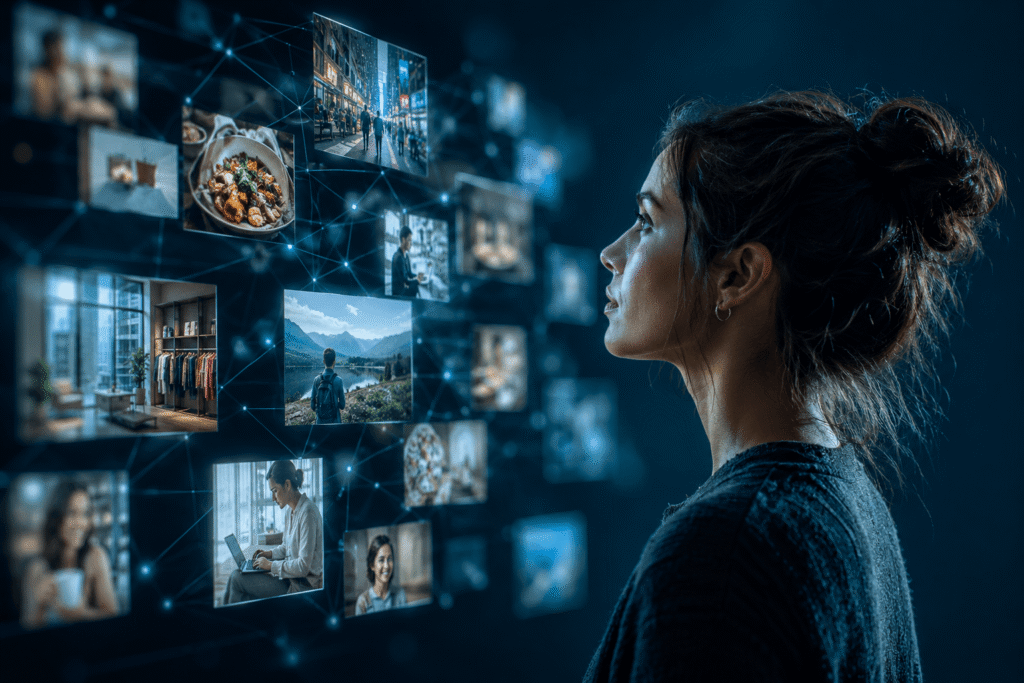
Rethinking Marketing Strategy in an AI-Driven World

The rise of artificial intelligence in marketing is more than a trend. It’s changing how brands connect with customers, measure success, and plan strategy. Traditional metrics like clicks, impressions, and time on page still matter, but they do not fully reflect engagement. AI helps uncover deeper signals like intent, behavior, and loyalty. If you’re exploring how AI is impacting marketing strategy, start with the shift from clicks to intent.
From Clicks to Intent: How AI Is Changing Marketing
Focusing only on clicks and impressions misses the signals that drive real performance. You must understand what the data means for marketing. AI-powered platforms prioritize authority, relevance, and trust. Marketers need to evaluate intent, not just attention.
The Limits of Traditional Metrics
Metrics like click-through rate and impressions show interest but not impact. They do not measure whether content delivers value or influences decisions. Social media analytics tools help shift focus toward meaningful engagement. Likes and shares also have limited value in AI-driven visibility. They are often excluded from training data and do not guarantee inclusion in AI-generated results.
Understanding User Intent with AI
AI analyzes behavioral and contextual data to identify purchase readiness, research intent, and brand preference. More useful metrics include brand mentions, sentiment, and citation frequency across AI platforms. Tracking how often your brand is referenced provides a clearer picture of influence and demand. As AI relies on large data sets, securing and managing that data is critical. Teams should protect their insights and maintain data integrity using tools such as a VPN.
AI Marketing Strategies That Drive Results
AI enables more efficient, targeted campaigns by improving personalization, forecasting, content production, and customer interaction. For example, AI is reshaping hotel marketing by using behavioral and purchase data to deliver tailored experiences. Personalized content increases conversions and customer lifetime value while reducing frustration from generic messaging. It’s also beneficial for predictive analytics and forecasting. Predictive models analyze historical data, seasonality, and campaign performance to anticipate outcomes. This allows marketers to adjust budgets and strategies based on expected ROI rather than past results. AI-Powered content creation is also common. AI tools can support faster, more consistent content production. Check out:
- ChatGPT and Jasper for written content and ideation
- OwlyWriter AI for social media content
- Descript for video editing and captions
Conversational AI and chatbots are changing the game, too. Chatbots and virtual assistants handle inquiries, qualify leads, and guide users through the buying process. They improve response time and free up internal teams for higher-value work.
The Role of Brand in an AI-Driven Landscape
As AI influences discovery, trust and clarity become key differentiators. Strong storytelling helps brands stand out and connect with audiences on a deeper level. Consistency across channels reinforces credibility and improves visibility in AI-generated results. Align paid, owned, and earned media into a unified strategy to keep messaging consistent across touchpoints. This ensures you leverage AI without losing your brand voice. Extending reach through integrated campaigns helps reinforce brand recall, while actively monitoring and responding to brand mentions in real time ensures your narrative stays accurate and relevant.
Optimizing for AI Discovery and Recommendations
AI Search and Shopping Optimization
Optimizing for AI-driven discovery requires a shift toward conversational, long-tail keywords that reflect how people naturally search and speak. Structured data and rich snippets should be implemented to support features such as reviews, while fast load times and mobile optimization remain essential. Integrating with voice and AI search platforms further increases visibility in emerging search environments.
Need a Fresh Marketing Perspective?
Ready to attract more of the right customers, improve your marketing performance, or simply need an experienced partner to guide your next steps? We'd love to help.
Virtual Influencers and AI Content
Virtual influencers and AI-driven content strategies rely on structured metadata to connect content to products and improve discoverability. Maintaining a consistent publishing cadence strengthens authority signals, while incorporating user-generated content enhances credibility and engagement.
Emerging AI Marketing Trends
AR and VR Experiences
Augmented and virtual reality create opportunities for interactive product experiences that allow users to explore offerings in more immersive ways. Brands can build virtual environments for deeper engagement and use these tools across both retail and digital spaces to enhance the customer experience.
AI Assistants and Personalization
AI assistants deliver recommendations based on user behavior and preferences, creating more relevant interactions over time. As these systems learn from repeated engagement, they help strengthen brand relationships and improve long-term retention.
Ethical AI and Data Responsibility
Responsible AI Use
Responsible AI practices include implementing fairness and bias checks, establishing oversight processes, and maintaining clear documentation of how systems are trained and used. These steps help ensure accountability and build trust with users.
Data Governance and Compliance
Strong data governance starts with privacy-first practices and extends to regulatory compliance, such as GDPR and CCPA. Clear consent options, regular audits of data policies, and well-defined vendor responsibilities all help protect user data and maintain transparency.
Transparency with Customers
Transparent communication requires disclosing when AI-generated content is used, clearly explaining how customer data informs personalization, and providing accessible channels for feedback and data requests. These practices help build long-term trust. Despite the growth in AI, people still prefer authenthicity in marketing.
Conclusion
AI is redefining marketing, shifting the focus from surface-level metrics to intent-driven insights. It enables smarter targeting, better forecasting, and more relevant customer experiences. Focus on intent, not clicks, by prioritizing meaningful engagement signals.Use AI to improve personalization and forecasting while strengthening brand consistency and storytelling across channels. Optimize content for AI-driven discovery and explore emerging technologies thoughtfully. At the same time, maintain a strong commitment to ethics, transparency, and responsible data use. Brands that combine AI capabilities with clear strategy and strong messaging will be better positioned to drive long-term results.Author Bio: Ellie Williams studied at Miami State University and majored in Marketing with a minor in creative writing. She writes about business, wellness, and lifestyle topics.
Let's Talk Strategy
Every business has unique marketing challenges. We'll help you identify opportunities, refine your messaging, and build a plan designed around your goals.
Let's Connect