
Defining the Spectrum of Brand Awareness and Media

Brand awareness isn’t a monolithic concept; it exists on a spectrum, evolving from simple recognition to becoming an ingrained part of consumer thought. Understanding this progression is crucial for crafting effective media strategies. Marketing scholars David Aaker and Kevin Lane Keller have provided foundational frameworks for this journey.
Aaker’s Brand Awareness Pyramid, for instance, illustrates a hierarchical path, while Keller’s Customer-Based Brand Equity (CBBE) model emphasizes awareness as the bedrock upon which all other brand-building elements rest. Without establishing recognition, our messaging, positioning, and demand generation efforts will struggle to gain traction.
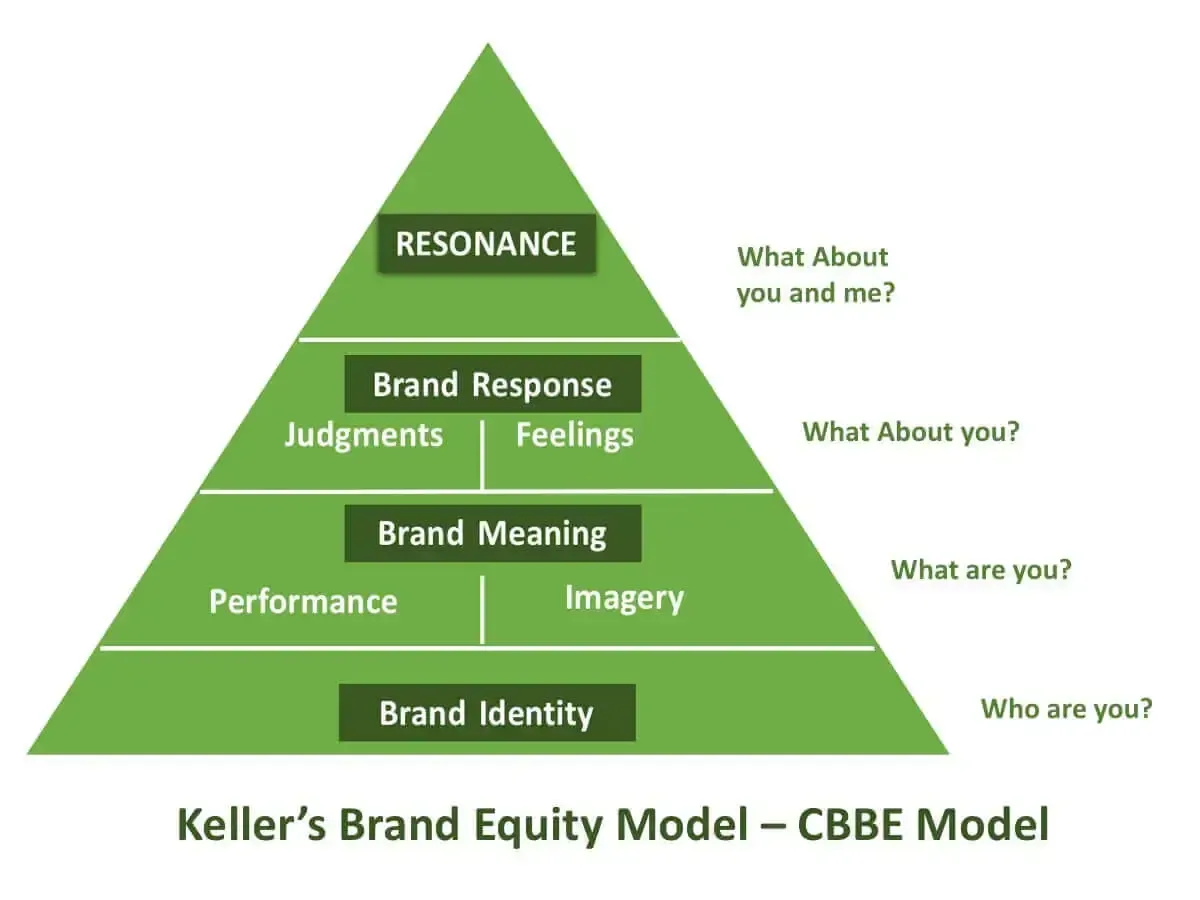
At the base of this pyramid is brand recognition. This is consumers’ ability to confirm prior exposure to a brand when given a cue, such as seeing its logo, packaging, or even hearing a jingle. It’s the “I’ve seen this before” moment. A strong visual identity and consistent exposure across media channels are paramount to achieving high recognition. When consumers can easily identify your brand amidst a sea of competitors, you’ve achieved this fundamental level.
Next, we reach brand recall. This is a more robust form of awareness, in which consumers can retrieve the brand from memory when presented with a product category or need, without explicit cues. For example, if you’re asked to name a soft drink brand and your brand comes to mind, you’ve achieved recall. This often involves deeper mental connections, built through memorable advertising, unique value propositions, and positive experiences.
The pinnacle of brand awareness, short of dominance, is top-of-mind awareness. This occurs when your brand is the first one a consumer thinks of when prompted about a specific product or service category. When someone needs to fix a misspelled word written in pen, they’re usually not asking for “correction fluid”; they’re asking for Wite-Out. This level signifies a powerful psychological presence, often driven by consistent, high-frequency exposure and effective strategic positioning that carves out a distinct space in the consumer’s mind. Finally, at the very top, is brand dominance.
This is a rare state in which a brand becomes virtually synonymous with its product category, to the point that its name is used generically for all products in that category. Think of “Googling” something instead of “searching online.” While it signifies ultimate market penetration and consumer familiarity, it also carries the risk of genericization, in which the brand name might lose trademark protection if it becomes a common noun.
What Do These Brand Awareness Levels Mean?
These levels of awareness are built through the associative network memory model, where repeated exposure and consistent messaging forge strong mental links between your brand and relevant cues, needs, and feelings. A cohesive visual identity – encompassing everything from logos and color palettes to typography and imagery – is critical for reinforcing these associations and ensuring that recognition and recall are effortless.
For businesses looking to optimize their digital footprint and boost brand visibility across platforms, understanding these nuances is key. Resources like Infinite Digital brand awareness and media can provide valuable insights into leveraging digital channels for maximum impact.
The importance of this spectrum cannot be overstated. Consumers are 80% more likely to choose a brand they recognize, and 5 out of 10 are willing to pay extra for a brand whose image appeals to them.
Furthermore, consistent branding across all channels can increase revenue by up to 23%. These stats underscore that building a strong, recognizable brand isn’t just about vanity; it directly drives business growth and customer preference. In fact, the aggregate value of the world’s 100 most valuable brands increased by over 20% to $8.3 trillion in 2024, demonstrating the immense economic power of strong brand awareness.
The Synergy Between Awareness and Acquisition Media
In today’s marketing world, the dichotomy between “awareness media” and “acquisition media” is increasingly blurred, creating a powerful synergy that drives sustainable business growth. Awareness media, often referred to as “brand building” or “top-of-funnel” efforts, focus on introducing your brand to a broad audience, fostering recognition, and establishing an emotional connection.
This includes both traditional and modern marketing channels like traditional television, print advertisements, billboards, and, increasingly, social media campaigns, content marketing, and influencer partnerships designed for broad reach. The goal here is to make your brand known, trusted, and memorable. Conversely, acquisition media, or “bottom-of-funnel” tactics, are geared towards directly converting interested prospects into customers.
These are typically performance-driven channels such as search engine marketing (SEM), email marketing, affiliate marketing, and direct response advertising. Their primary objective is to generate leads, drive clicks, and secure sales, often with immediate, measurable results.
Merging Top-of-Funnel and Bottom-of-Funnel Tactics
The true power lies not in choosing one over the other, but in understanding their cyclical relationship. Awareness media “greases the funnel,” making acquisition efforts significantly more efficient.
When a potential customer encounters an acquisition ad for a brand they already recognize and trust, they are far more likely to engage. This familiarity, built through consistent awareness campaigns, reduces the perceived risk for the consumer and shortens the sales cycle. For example, brand awareness and media AND legal marketing jobs illustrate how each media type contributes uniquely to the customer journey.
A strong brand, cultivated through awareness media, enhances brand equity – the commercial value derived from consumer perception of the brand rather than from the product or service itself. This equity translates into tangible benefits: lower customer acquisition costs (CAC), increased pricing power, and enhanced marketing ROI across all channels. When consumers already have a positive mental footprint of your brand, your acquisition campaigns don’t have to work as hard to convince them. They simply need to guide them to the next step.
The Power of Messaging
Consider the role of consistent messaging across these multi-channel touchpoints. Whether a consumer sees a brand on a billboard, then an Instagram ad, and finally receives an email, a unified brand voice and visual identity reinforce the message. This consistency builds familiarity and credibility, which precede trust. According to Edelman, 81% of consumers are more likely to be loyal to a brand they know, trust, and perceive as reliable.
This trust, cultivated through awareness, directly impacts the effectiveness of acquisition media. The relationship between awareness and acquisition media creates a virtuous cycle. Awareness efforts build a receptive audience, making acquisition more successful. Successful acquisition, in turn, generates revenue that can be reinvested into further awareness campaigns, expanding reach, and deepening brand loyalty. This integrated approach, rather than siloed strategies, is essential for achieving long-term ROI and sustainable business growth.
Leveraging New Media for Modern Brand Recognition
The digital revolution has dramatically reshaped brand awareness, introducing an array of new and emerging media channels that offer unprecedented opportunities for connection and engagement. These platforms let us reach audiences in more targeted, interactive, and authentic ways, often delivering strong returns on investment.
Podcasts have emerged as a powerful medium for building intimate brand connections. Listeners often develop strong trust and loyalty with their favorite hosts, which can extend to the brands they endorse. Our research indicates that influencer marketing, which often includes podcast sponsorships, delivers ROI within 1% of that of TV and digital ads. Furthermore, in a study of over 1,000 podcast, influencer, and branded marketing ads, the median brand recall was over 70% among consumers who saw the ads. This high recall suggests that audio-based storytelling and endorsements can create deep, lasting impressions.
Influencer marketing remains a cornerstone of new media strategies. With 92% of consumers trusting recommendations from people they know, including influencers, leveraging authentic voices can rapidly expand brand reach and credibility. These partnerships often manifest on platforms like Instagram, TikTok, and YouTube, where influencers create engaging content that seamlessly integrates brand messaging.
Social media engagement is no longer optional; it’s a necessity. With the average user spending 2 hours and 21 minutes daily on social media, these platforms offer significant opportunities for brands to gain visibility and build awareness. From visually rich platforms like Instagram and Pinterest to discussion-focused sites like X (formerly Twitter) and Reddit, each offers unique avenues for interaction.A Pew Research Center study shows that the top four platforms by usage in the United States are Facebook, Instagram, Pinterest, and LinkedIn. 89% of marketers have reported increased brand exposure through social media efforts, highlighting the medium’s effectiveness.
Video content is particularly potent for brand awareness. 72% of consumers say they prefer to learn about a product or service through video. This preference extends across platforms, from short-form content on TikTok and Instagram Reels to longer-form narratives on YouTube and streaming services. Video enables rich storytelling, emotional connection, and a clear demonstration of value, making brands more memorable.
Additional Players
Beyond these, platforms like Twitch offer unique opportunities for brands to engage with niche communities, particularly in gaming and live streaming. Brands can integrate into live streams, sponsor creators, or run interactive ads to tap into highly engaged audiences. Similarly, Amazon Ads provides a robust ecosystem for boosting awareness within its vast marketplace, using formats such as Sponsored Brands, video display ads, and streaming TV ads.
These tools enable precise targeting and measurement, allowing brands to reach shoppers at various stages of their journey. For example, advertisers who used all Sponsored Brands ad formats saw, on average, 79% of their sales from new-to-brand customers.
Marketing Storytelling FTW
The power of immersive storytelling and experiential marketing, whether through virtual reality experiences, interactive online campaigns, or real-world events, further amplifies brand presence. When strategically deployed, these new media channels let brands move beyond mere advertising to create meaningful, memorable interactions that resonate deeply with consumers. Infographic explaining the impact of emerging media on brand lift
Measuring the Impact of Brand Awareness and Media Campaigns
In the complex and ever-evolving media landscape, simply launching campaigns isn’t enough; we must rigorously measure their impact to understand what resonates and drives results. Effective measurement allows us to optimize strategies, prove ROI, and make data-driven decisions that fuel continued growth. A foundational metric for brand awareness is impressions, which quantify how many times your content or ad was displayed to users.
While it doesn’t guarantee engagement, it provides a baseline for potential exposure. Complementing this is website traffic, particularly direct and branded search traffic, which indicates how many people are actively seeking out your brand online. A surge in these metrics often correlates with successful awareness campaigns. Branded search volume is a critical indicator. When more people search for your brand name or specific product lines, it signals increased interest and recognition.
Tools like Google Trends or keyword research platforms can track these fluctuations. Similarly, share of voice (SOV) measures your brand’s presence in conversations relative to competitors, often tracked through social listening tools or media monitoring services. A higher SOV suggests greater brand salience within your industry.
Earned media value (EMV)quantifies the monetary value of media coverage gained through non-paid efforts, such as mentions in news articles, social media shares, or influencer posts. It’s a powerful metric for understanding the reach and impact of organic awareness-building activities.
Need a Fresh Marketing Perspective?
Ready to attract more of the right customers, improve your marketing performance, or simply need an experienced partner to guide your next steps? We'd love to help.
Benefits of Brand Lift Studies
For a more direct assessment of awareness, brand lift studies are invaluable. These surveys measure changes in key brand metrics (such as recall, recognition, and purchase intent) between an exposed group and a control group. They provide concrete evidence of how campaigns influence consumer perceptions. Similarly, marketing mix models (MMMs) analyze the effectiveness of various marketing channels in driving sales and awareness, helping allocate budgets optimally.
Brand impact norms provide benchmarks against which to compare campaign performance, offering context for whether results are above or below industry averages. Platforms like Amazon Ads offer specific metrics such as new-to-brand metrics, which track the percentage of sales driven by customers who hadn’t purchased from your brand on Amazon in the past year. This directly links awareness efforts to new customer acquisition.
Finally, sentiment analysis provides qualitative insights into how consumers feel about your brand, often derived from social media comments, reviews, and online discussions. Positive sentiment indicates that awareness is building a favorable brand image, while negative sentiment signals areas for improvement. A Presence Score, as offered by some brand monitoring tools, can provide a quick, holistic assessment of your brand’s overall visibility and impact across digital channels.
Key Metrics for Brand Awareness and Media
To delve deeper, we utilize several specific metrics:
- Aided Recall: Measures how many people recognize your brand when given a list of brands in a category.
- Unaided Recall: Measures how many people can spontaneously name your brand when prompted only with the product category. This is a stronger indicator of top-of-mind awareness.
- Social Listening: Monitoring online conversations about your brand, competitors, and industry to gauge sentiment, identify trends, and understand audience perception.
- Reach and Frequency: Reach measures the total number of unique individuals exposed to your message, while frequency measures the average number of times each individual is exposed. Both are crucial to ensuring your message reaches enough people, often enough to stick.
- Conversion Attribution: While primarily an acquisition metric, understanding which awareness touchpoints contributed to a conversion helps us connect the dots between early exposure and final purchase.
Advanced Attribution in Brand Awareness and Media
The rise of digital channels and AI has introduced new complexities and opportunities for attribution. Consumer behavior trends are constantly shifting, with fragmented attention spans and multi-device journeys. We must adapt our measurement strategies to capture these nuances. AI-driven discovery is becoming increasingly prevalent, influencing how consumers find products and services.
This includes the emerging field of generative engine optimization (GEO), which focuses on optimizing content for AI models and AI search interfaces. As AI increasingly curates information, brands with strong digital presence and recognized authority will naturally gain more visibility. This means that trust signals from social media, reviews, and forums, which are indicators of brand awareness, will play a more significant role in search rankings and AI recommendations.
Attribution in Specialized Sectors
For specialized sectors, such as professional services, these advanced attribution models are particularly vital. For instance, in legal marketing jobs, understanding how initial brand exposure through thought leadership content or community engagement translates into client inquiries requires sophisticated tracking.
We need to move beyond simple last-click attribution to models that account for the entire customer journey, recognizing that awareness media often plants the seed that acquisition media later harvests. This comprehensive approach helps us navigate market saturation and benchmark competitors effectively, ensuring our brand awareness and media investments deliver measurable, sustainable results.
For a deeper dive into how integrated strategies can benefit professional services, exploring resources on brand awareness and media, as well as legal marketing jobs, can provide valuable context.
Strategic Implementation: Building Awareness from the Ground Up
Building brand awareness from the ground up requires a systematic, consistent approach that integrates foundational branding principles with dynamic media strategies. It’s a journey that begins with a clear internal vision and extends outward to every customer touchpoint. The first, and arguably most critical, step is to establish a robust core brand identity. This goes beyond a logo; it’s about defining your brand’s soul.
- Mission and Values: What is your purpose? What principles guide your actions?
- Target Audience: Who are you trying to reach? What are their needs, preferences, and media consumption habits?
- Value Proposition: What unique benefits do you offer that solve your audience’s problems?
- Brand Personality: If your brand were a person, what would it be like? (e.g., innovative, trustworthy, playful).
Once you’ve clearly articulated these elements, visual consistency becomes paramount. This means ensuring your logo, color palette, typography, imagery, and overall aesthetic are uniform across all platforms – from your website and social media profiles to your advertising and physical collateral. This consistency is not merely aesthetic; it reinforces recognition and builds trust. As the statistics show, consistent branding across all channels can increase revenue by up to 23%.
Building Brand Awareness with Content
Storytelling is another powerful tool. Humans are wired for narratives. Crafting a compelling brand story – one that highlights your origins, values, challenges, and successes – creates an emotional connection with your audience. Weave this story into all your content to make your brand relatable and memorable.
The “Rule of Seven” in marketing suggests that consumers need to encounter a brand message approximately seven times before they take action. Effective storytelling ensures these repeated exposures are engaging rather than repetitive.
Active community involvement and sponsorships can significantly boost local and niche awareness. Partnering with a values-based soccer club, for instance, allows a brand to align with community interests and gain visibility among a receptive audience. This demonstrates genuine commitment beyond commercial interests.
Co-branding and collaborations with complementary businesses or influencers can introduce your brand to new audiences. When two respected brands join forces, they leverage each other’s credibility and reach, creating a mutually beneficial boost in awareness.
Content repurposing is an efficient way to maximize the impact of your efforts. You can break a comprehensive blog post into social media snippets, an infographic, a podcast episode, or a series of email newsletters. This ensures your core message reaches diverse audiences through their preferred media formats without constantly creating from scratch.
Prioritizing educational formats in your content strategy can also be highly effective. Webinars, how-to guides, and informational videos establish your brand as a thought leader and trusted resource. This builds awareness while cultivating credibility and trust, which are essential for long-term customer relationships.
According to a Conductor study, educational content can increase brand trust by 9% in just one week. Finally, empower your employees to become brand advocates through employee personal branding. The people behind your brand can really empower your marketing. When employees consistently share positive messages about your company on their professional networks, it amplifies your brand’s reach and authenticity. This organic word-of-mouth, combined with a strong, consistent brand presence across all media, forms a powerful engine for building awareness from the ground up.
Frequently Asked Questions about Brand Awareness and Media
How have AI and digital transformation changed brand awareness strategies?
The rise of AI and ongoing digital transformation have fundamentally reshaped brand awareness strategies, making them more dynamic, data-driven, and personalized. We’re seeing a significant shift towards generative engine optimization (GEO), where brands must optimize their content not just for traditional search engines but also for AI models and AI search interfaces. This means that the quality, relevance, and authority of content, along with the accumulation of positive trust signals from social media and reviews, are more critical than ever for AI search visibility.
AI algorithms increasingly curate information, making brands with established awareness and credibility more likely to be recommended. Digital transformation has also enabled real-time engagement and personalized content at scale.
AI-powered tools can analyze consumer behavior to deliver highly relevant messages through various media, fostering deeper connections and accelerating the awareness-to-consideration journey. This demands a proactive approach to monitoring digital conversations and adapting strategies quickly.
What is the relationship between brand awareness, trust, and long-term ROI?
The relationship between brand awareness, trust, and long-term ROI is symbiotic and foundational to sustainable business success. Brand awareness is the initial spark; it introduces your brand to potential customers. However, it’s trust that converts that awareness into loyalty and repeat business.
According to Edelman, 81% of consumers need to trust a brand before buying from it. Without trust, awareness remains superficial and unlikely to translate into lasting customer relationships. When consumers trust a brand, they are more likely to choose it over competitors, even if it means paying a premium (5 out of 10 consumers are willing to pay a premium for a brand with an appealing image).
This leads to increased sales, market share, and ultimately, higher long-term ROI. Trust also fosters brand loyalty, turning customers into advocates who generate positive word-of-mouth, which is highly influential ( 92% of consumers trust recommendations from people they know). Loyal customers are also less expensive to retain than to acquire, reducing marketing costs over time. Thus, investing in brand awareness and nurturing trust is a strategic investment that pays dividends in sustained profitability and market leadership.
How long does it take to build significant brand awareness in a competitive market?
Building significant brand awareness in a competitive market is a long-term endeavor that requires patience, consistency, and sustained investment. There’s no single timeline, as it depends on several factors: the intensity of competition, the uniqueness of your value proposition, the size of your target audience, and the budget allocated to your media strategies.
While viral campaigns can generate rapid, short-term spikes in awareness, truly embedding a brand into the collective consciousness takes time. It involves consistent exposure across multiple touchpoints and the repeated delivery of a cohesive message. Think of the ” Rule of Seven ” as a general guideline – consumers typically need multiple exposures to a brand before it registers meaningfully.
In highly saturated markets, standing out requires even greater effort and differentiation. Brands must continually innovate their media strategies, experiment with new channels, and refine their messaging to cut through the noise. Incremental gains accumulate over months and years, gradually moving a brand from recognition to recall, and eventually, to top-of-mind status. It’s a continuous process of nurturing your brand’s presence and perception, rather than a one-off campaign.
Conclusion
In an era defined by digital noise and fragmented attention, driving brand awareness through targeted media and creative content is more critical than ever. We’ve explored how awareness progresses from simple recognition to powerful dominance, underpinned by consistent visual identity and strategic positioning. The synergy between awareness and acquisition media is not just theoretical; it’s a practical imperative for reducing CAC and boosting long-term ROI.
Leveraging new media, from podcasts and influencers to social platforms and streaming services, allows us to connect with audiences in authentic and impactful ways. Crucially, we must measure these efforts rigorously, using a blend of traditional and advanced metrics to understand true impact and optimize our strategies. From defining our core brand identity and telling compelling stories to fostering community involvement and embracing AI-driven discovery, every step helps build a brand that resonates.
Strong brand awareness translates into brand equity, market prominence, and a sustainable competitive advantage. By thoughtfully integrating these media strategies and maintaining a consistent, trustworthy presence, we can future-proof our brand identity and ensure its enduring success.
Let's Talk Strategy
Every business has unique marketing challenges. We'll help you identify opportunities, refine your messaging, and build a plan designed around your goals.
Let's Connect